

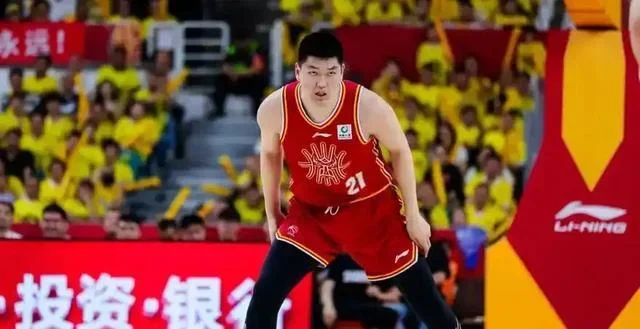
The aftermath of the CBA playoff quarterfinal Game 2 between Shanxi and Guangsha has ignited heated discussions among fans. Shanxi, holding a 1-0 series lead, was on the verge of advancing, but a controversial substitution in the final period handed the momentum away. Guangsha tied the series, and the spotlight has shifted to Liu Chuanxing’s situation, Guangdong’s interior reinforcements, and even the tactical trends in the CBA.
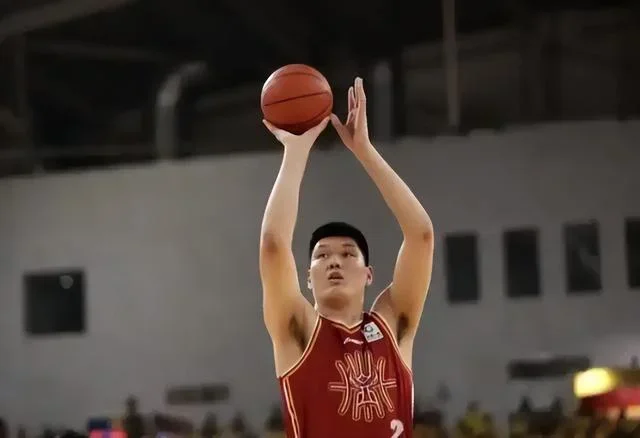
The turning point of the game was clear. With 5 minutes and 12 seconds left in the fourth quarter, Shanxi led 72-67. Liu Chuanxing had played 28 minutes, recording 8 points and 7 rebounds, providing solid rim protection that kept Guangsha’s interior attack at bay. However, head coach Pan Jiang called a timeout and substituted Liu Chuanxing for the struggling Ge Zhaobao, switching to a small-ball lineup.
Initially, many criticized Pan Jiang’s decision. But upon reviewing Shanxi’s season game footage, it’s evident the team has been pushing a faster tempo, and Liu Chuanxing’s mobility doesn’t match the team’s pick-and-roll rhythm. Nevertheless, in a critical game, abandoning a hot-handed rim protector seemed counterproductive.
According to CBA playoff rules, substitutions are unlimited as long as the referee whistles for a dead ball, with a minor exception in the final two minutes of the fourth quarter—the scoring team cannot initiate a substitution unless the trailing team requests one first. Pan Jiang’s substitution was legal, but the issue lies in tactical choice and sideline etiquette. Witnesses reported that during the timeout, Pan Jiang directly called for Ge Zhaobao without even addressing Liu Chuanxing, fueling post-game controversy. Proper etiquette would require a brief word to the player being replaced, even a simple “tactical adjustment,” to keep the player informed. This cold treatment left fans questioning.
Guangsha capitalized immediately, grabbing consecutive offensive rebounds. Hu Jinqiu and Wu Xiao each collected three offensive boards in the quarter, using second-chance points to erase the deficit and take control. The game’s outcome hinged not on officiating but on that single substitution. Stats show that each additional offensive rebound yields roughly 1.2 extra scoring opportunities. Guangsha finished with 17 offensive boards to Shanxi’s eight, translating to at least 10 extra points—enough to flip the game.
In terms of standings, Shanxi finished the regular season in fourth place, matching up against fifth-ranked Guangsha in the quarterfinals. Winning would send them to the semifinals against the lower bracket’s winner; losing forces a decisive Game 3. A defeat in that game would end Shanxi’s season, derailing their goals and impacting offseason plans such as draft priority (higher for better regular-season records), team exposure, and sponsorship deals.
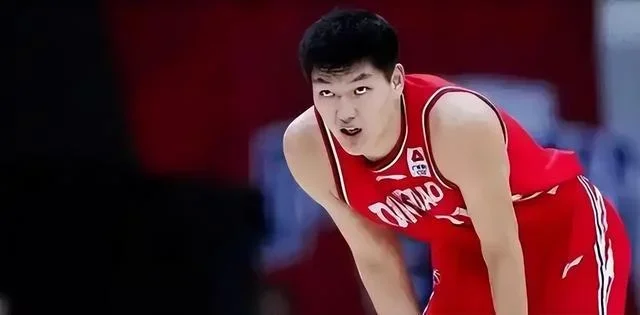
Following the game, Liu Chuanxing’s situation became a hot topic. This season, he averaged 22.3 minutes, 10.1 points, and 7.9 rebounds per game. As a former Guangdong player, his 2.25-meter height and shot-blocking ability were the backbone of Shanxi’s interior. But due to the team’s push for pace, his minutes have been reduced. His benching has fueled speculation about a potential departure, with Guangdong’s interior weakness presenting a natural opportunity.
This season, Guangdong has relied heavily on Wang Shaojie as the only starting center, with Xu Xin still inexperienced and Jiao Boqiao confirmed out of the playoffs. Against elite big men like Zhou Qi and Hu Jinqiu, their rim protection is clearly lacking. Liu Chuanxing’s skill set fits Guangdong’s tactical needs perfectly, prompting many fans to call for his return. This situation reflects more than a single tactical blunder—it highlights the survival crisis traditional centers face in the CBA’s small-ball era.
In the 2025-26 season, average playing time for traditional centers dropped by 11.7% compared to the previous season, as many teams prioritize speed and perimeter play, marginalizing traditional bigs. Yet, Guangsha’s comeback, built on interior rebounding, proves the enduring value of traditional centers. This creates a paradox. Some former players have successfully transitioned to coaching, such as ex-Shanghai player Meng Lingyuan, who earned a FIBA Level 2 coaching certification and now trains youth teams, translating his defensive experience into a unique system that produced a national U15 champion. If Liu Chuanxing can’t secure playing time, a move into coaching could be a viable path, given his deep experience in interior play.
Not every player follows the same route—some become commentators, others coaches, and some leave basketball entirely. This season, three traditional centers have gained increased playing time through transfers, potentially making Liu Chuanxing’s situation a bellwether for player movement in the league. If Guangdong signs him, other teams may also reevaluate the importance of traditional centers, leading to more diverse tactical approaches in the CBA.
Guangsha’s comeback relied not only on rebounding but also on Shanxi’s tactical indecision. As the decisive Game 3 approaches, Shanxi needs to adjust, and Liu Chuanxing deserves a positive outcome—whether he continues playing or transitions into coaching, finding the right path will be key.
